Buy drivein.eu ?
We are moving the project
drivein.eu .
Are you interested in purchasing the domain
drivein.eu ?
domain@kv-gmbh.de · 0541-91531010
Buy drivein.eu ?
What is Physics 1052?
Physics 1052 is a course that covers the principles of electricity and magnetism. It typically includes topics such as electric fields, magnetic fields, electromagnetic induction, and circuits. Students in Physics 1052 will learn about the fundamental laws and concepts that govern these phenomena and how they can be applied to real-world situations. The course often includes both theoretical concepts and practical applications through experiments and problem-solving exercises. **
Is it correct, 1052?
No, it is not correct. The number 1052 is not a question, so it cannot be correct or incorrect. If you are asking whether a specific statement or calculation involving the number 1052 is correct, please provide more context so that I can assist you further. **
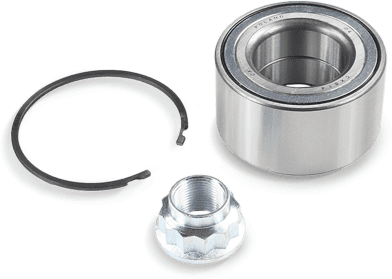

Similar search terms for MAXGEAR-33-1052-Wheel-bearing
Top-Angebote
Products related to MAXGEAR-33-1052-Wheel-bearing:
-
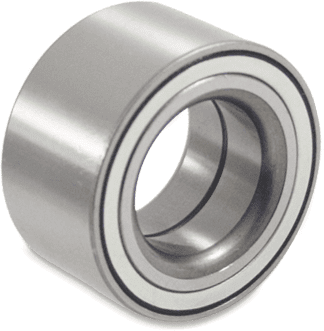
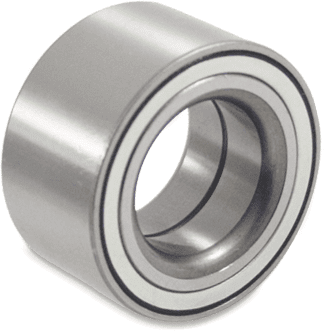
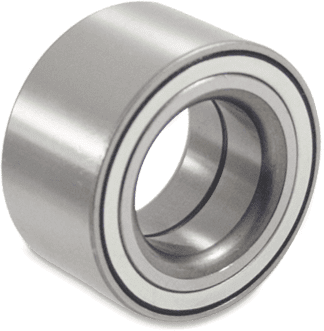
MAXGEAR 33-1261 Wheel bearingOuter Diameter [mm]: 45; Inner Diameter [mm]: 19; Bearing Type: Tapered Roller Bearing; Alternative Repair Kit: 614 750 0009; Height: 17; Fitting Position: Front Axle Left, Front Axle Right, Rear Axle Left, Rear Axle Right; Construction Year to: 12/1988, 06/2003; Construction Year from: 12/1998, 10/1996, 07/1995; Vehicle type: Transit100, Transit150, Transit1908,99 £*Shipping: 8,45 £Secure redirect to the provider

-
How long does it take to change a wheel bearing?
The time it takes to change a wheel bearing can vary depending on the make and model of the vehicle, as well as the experience level of the person performing the task. Generally, it can take anywhere from 1-3 hours to change a wheel bearing. This includes the time it takes to lift the vehicle, remove the wheel, brake caliper, and rotor, and then press out the old bearing and press in the new one. It's important to follow the manufacturer's recommended procedures and use the proper tools to ensure the job is done correctly. **
-
Is the wheel bearing broken or is it something else?
It is difficult to determine whether the wheel bearing is broken without further inspection. However, some common signs of a broken wheel bearing include a loud grinding or growling noise coming from the wheel area, excessive play or looseness in the wheel, and uneven tire wear. It is important to have a professional mechanic inspect the vehicle to accurately diagnose the issue and determine if it is indeed the wheel bearing or another component causing the problem. **
-
How long can you still drive with a broken wheel bearing?
Driving with a broken wheel bearing is extremely dangerous and should be avoided at all costs. A broken wheel bearing can cause the wheel to seize up or come off while driving, leading to a loss of control of the vehicle. It is recommended to stop driving immediately and have the wheel bearing replaced as soon as possible to prevent any accidents or further damage to the vehicle. **
-
How much wheel bearing play does the TÜV allow in a car?
The TÜV (Technical Inspection Association) in Germany allows for a maximum wheel bearing play of 0.5mm for passenger cars. This means that when the wheel is jacked up and the mechanic tries to move it from side to side, there should be no more than 0.5mm of play in the wheel bearing. This specification is important for ensuring the safety and stability of the vehicle while driving. **
Is it true that a wheel bearing damage is only audible at high speeds?
No, a wheel bearing damage can be audible at both high and low speeds. At high speeds, the noise may be more pronounced due to the increased rotation of the wheel. However, at lower speeds, the noise may still be present but quieter and may sound like a humming or grinding noise. It is important to address any unusual noises coming from the wheels regardless of the speed to prevent further damage to the vehicle. **
Is it true that a wheel bearing damage is only audible at high speed?
No, it is not true that wheel bearing damage is only audible at high speeds. While wheel bearing noise can become more pronounced at higher speeds, it can also be heard at lower speeds. The noise is often described as a growling or rumbling sound that increases with vehicle speed. It is important to address any unusual noise coming from the wheels as soon as possible, regardless of the speed at which it is heard, to prevent further damage and ensure safe driving conditions. **
Top-Angebote
Products related to MAXGEAR-33-1052-Wheel-bearing:
-
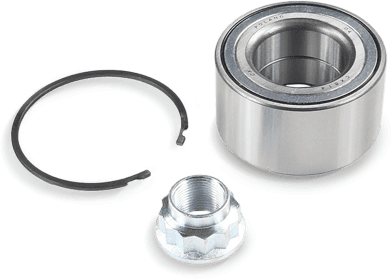
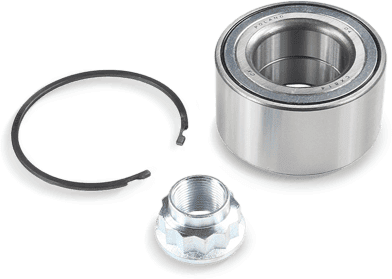
MAXGEAR 33-1052 Wheel bearing kitFitting Position: Rear Axle; Braking/Driving Dynamics: for vehicles with ABS; Width [mm]: 40; Outer Diameter [mm]: 86; Inner Diameter [mm]: 48; Vehicle Identification Number (VIN) from: B32753; Vehicle Identification Number (VIN) to: MH15240838,99 £*Shipping: 8,45 £Secure redirect to the provider
-
MAXGEAR 33-1261 Wheel bearingOuter Diameter [mm]: 45; Inner Diameter [mm]: 19; Bearing Type: Tapered Roller Bearing; Alternative Repair Kit: 614 750 0009; Height: 17; Fitting Position: Front Axle Left, Front Axle Right, Rear Axle Left, Rear Axle Right; Construction Year to: 12/1988, 06/2003; Construction Year from: 12/1998, 10/1996, 07/1995; Vehicle type: Transit100, Transit150, Transit1908,99 £*Shipping: 8,45 £Secure redirect to the provider
-
What is Physics 1052?
Physics 1052 is a course that covers the principles of electricity and magnetism. It typically includes topics such as electric fields, magnetic fields, electromagnetic induction, and circuits. Students in Physics 1052 will learn about the fundamental laws and concepts that govern these phenomena and how they can be applied to real-world situations. The course often includes both theoretical concepts and practical applications through experiments and problem-solving exercises. **
-
Is it correct, 1052?
No, it is not correct. The number 1052 is not a question, so it cannot be correct or incorrect. If you are asking whether a specific statement or calculation involving the number 1052 is correct, please provide more context so that I can assist you further. **
-
How long does it take to change a wheel bearing?
The time it takes to change a wheel bearing can vary depending on the make and model of the vehicle, as well as the experience level of the person performing the task. Generally, it can take anywhere from 1-3 hours to change a wheel bearing. This includes the time it takes to lift the vehicle, remove the wheel, brake caliper, and rotor, and then press out the old bearing and press in the new one. It's important to follow the manufacturer's recommended procedures and use the proper tools to ensure the job is done correctly. **
-
Is the wheel bearing broken or is it something else?
It is difficult to determine whether the wheel bearing is broken without further inspection. However, some common signs of a broken wheel bearing include a loud grinding or growling noise coming from the wheel area, excessive play or looseness in the wheel, and uneven tire wear. It is important to have a professional mechanic inspect the vehicle to accurately diagnose the issue and determine if it is indeed the wheel bearing or another component causing the problem. **
Similar search terms for MAXGEAR-33-1052-Wheel-bearing
-
How long can you still drive with a broken wheel bearing?
Driving with a broken wheel bearing is extremely dangerous and should be avoided at all costs. A broken wheel bearing can cause the wheel to seize up or come off while driving, leading to a loss of control of the vehicle. It is recommended to stop driving immediately and have the wheel bearing replaced as soon as possible to prevent any accidents or further damage to the vehicle. **
-
How much wheel bearing play does the TÜV allow in a car?
The TÜV (Technical Inspection Association) in Germany allows for a maximum wheel bearing play of 0.5mm for passenger cars. This means that when the wheel is jacked up and the mechanic tries to move it from side to side, there should be no more than 0.5mm of play in the wheel bearing. This specification is important for ensuring the safety and stability of the vehicle while driving. **
-
Is it true that a wheel bearing damage is only audible at high speeds?
No, a wheel bearing damage can be audible at both high and low speeds. At high speeds, the noise may be more pronounced due to the increased rotation of the wheel. However, at lower speeds, the noise may still be present but quieter and may sound like a humming or grinding noise. It is important to address any unusual noises coming from the wheels regardless of the speed to prevent further damage to the vehicle. **
-
Is it true that a wheel bearing damage is only audible at high speed?
No, it is not true that wheel bearing damage is only audible at high speeds. While wheel bearing noise can become more pronounced at higher speeds, it can also be heard at lower speeds. The noise is often described as a growling or rumbling sound that increases with vehicle speed. It is important to address any unusual noise coming from the wheels as soon as possible, regardless of the speed at which it is heard, to prevent further damage and ensure safe driving conditions. **
* All prices are inclusive of VAT and, if applicable, plus shipping costs. The offer information is based on the details provided by the respective shop and is updated through automated processes. Real-time updates do not occur, so deviations can occur in individual cases. ** Note: Parts of this content were created by AI.